
Japan has long stood as one of the world’s most alluring travel destinations, effortlessly blending the ultra-modern with centuries-old traditions. For millions of international travelers planning a getaway, the country promises a unique sensory experience filled with neon-lit skyscrapers, tranquil shrines, pristine nature, and unparalleled culinary landscapes.
When mapping out a dream trip, most travelers find themselves gravitating toward a specific, well-optimized path known as the “Golden Route”. This itinerary represents the most likely vacation in Japan for first-time and returning visitors alike, providing a balanced snapshot of the nation’s diverse regional identity. Understanding what to expect along this route, while exploring a few emerging regional trends, can help you plan a seamless and deeply rewarding Japanese holiday.
The Dynamic Starting Point: Futuristic and Historic Tokyo
For the vast majority of travelers, a Japanese vacation begins in Tokyo, the largest metropolis in the world. Tokyo acts as a high-tech playground where hyper-modern lifestyle meets ancient history. A typical itinerary here spends a few days diving into distinct neighborhoods, each offering its own micro-culture.
In the western part of the city, Shibuya and Shinjuku showcase the classic, high-energy image of Tokyo. Visitors flock to cross the world-famous Shibuya Scramble, catch panoramic sunset views from the Shibuya Sky observatory, and squeeze into the tiny, atmospheric Izakaya alleys of Memory Lane for grilled skewers.
Just a short subway ride away, the city shifts into a calmer, more historical gear. The Asakusa district features Senso-ji, Tokyo’s oldest Buddhist temple, entered through the iconic Kaminarimon (Thunder Gate). Walking down the adjacent Nakamise Shopping Street allows travelers to sample traditional snacks like rice crackers and sweet bean-filled pastries, demonstrating how smoothly Tokyo bridges the gap between the past and the present.
The Cultural Heart: Ancient Temples and Traditions in Kyoto
Moving away from the neon glow of Tokyo via the Shinkansen (bullet train), the next definitive stop on a quintessential Japanese vacation is Kyoto. Serving as the imperial capital for over a millennium, Kyoto is the undisputed cultural soul of Japan, home to thousands of classical Buddhist temples, Shinto shrines, and beautifully preserved wooden architecture.
The Kyoto experience is defined by iconic visual landscapes. The Fushimi Inari Shrine, famous for its pathway winding up a mountain beneath thousands of vibrant vermilion torii gates, is a mandatory highlight for every traveler. Early mornings are typically reserved for exploring the towering bamboo groves of Arashiyama or gazing at the shimmering reflection of Kinkaku-ji, the Golden Pavilion.
Beyond the grand architecture, Kyoto invites travelers to experience slow, deliberate traditions. Walking through the narrow, lantern-lit streets of the Gion district offers a glimpse into the elusive world of geisha culture, while participating in an authentic tea ceremony provides insight into the zen philosophies that govern traditional Japanese hospitality.
The Culinary Capital: Street Food and Vibrant Energy in Osaka
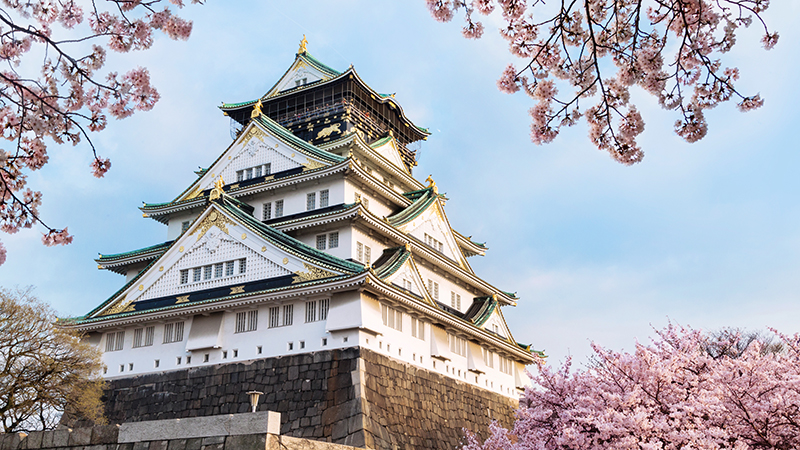
Located just a short train ride from Kyoto, Osaka offers a completely different atmosphere. If Tokyo is refined and Kyoto is serene, Osaka is bold, energetic, and unapologetically fun. Known historically as the “Kitchen of the Nation,” Osaka is a paradise for food enthusiasts who want to experience the Japanese concept of kuidaore—eating until you drop.
The epicenter of this culinary adventure is Dotonbori, a bustling canal-side district dominated by massive, mechanical neon signs, including the famous Glico Running Man. Here, the vacation experience centers around street food. Travelers line up to try piping-hot takoyaki (octopus balls) and okonomiyaki (savory cabbage pancakes filled with meat or seafood).
During the day, the lively atmosphere continues at Kuromon Ichiba Market, where vendors grill fresh seafood, Wagyu beef, and seasonal fruits right before your eyes. Osaka’s outgoing and friendly locals make it a highly accessible city, offering a welcoming contrast to the formal etiquette found in other regions.
Expanding the Horizon: Hidden Gems and Regional Trends
While Tokyo, Kyoto, and Osaka form the core foundational route, the modern vacation in Japan increasingly involves branching out into lesser-known regions to escape the crowds and find unique local connections.
For travelers seeking profound history and natural beauty, an extension to Hiroshima and Miyajima Island is highly likely. A visit to the Hiroshima Peace Memorial Park offers a deeply moving educational experience, while a short ferry ride to Miyajima reveals the famous “floating” torii gate of Itsukushima Shrine, which appears to sit directly on the sea during high tide.
Alternatively, the northern island of Hokkaido has surged in popularity as a premier summer escape due to its cooler climate and sprawling lavender fields, while remaining a world-class winter sports destination. For those wanting to experience the rustic charm of old Japan, the mountainous Chubu region offers preserved Edo-era post towns like Takayama and Magome, where visitors can walk ancient trails and sleep in traditional hot-spring inns (ryokan).
Conclusion
The most likely vacation in Japan is a masterful study in contrasts. By following the classic route from the futuristic streets of Tokyo to the timeless temples of Kyoto and the gastronomic theater of Osaka, you gain a comprehensive understanding of what makes this country so magnetic. Whether you choose to stick strictly to the urban highlights or wander off the beaten path into the scenic countryside, a holiday in Japan delivers an unforgettable mix of hospitality, efficiency, and discovery. With careful planning around the changing seasons, a journey through Japan stands out as a truly transformative travel experience.