
The FIFA World Cup 2026 stands out as the largest and most ambitious tournament in football history. Spanning three massive nations—Canada, Mexico, and the United States—and featuring 48 teams competing across 16 distinct host cities, this edition redefines what it means to follow the beautiful game.
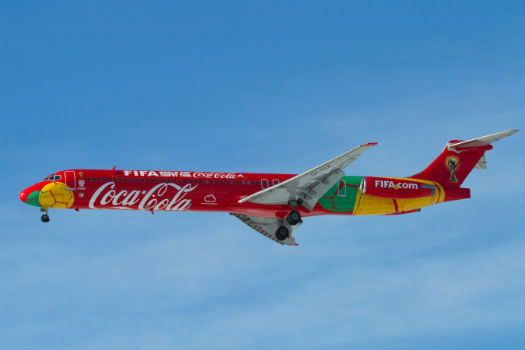
For fans planning to embark on a long journey to catch multiple matches, this tournament presents an unprecedented logistical puzzle. Navigating vastly different time zones, varied climates, and thousands of miles of geographical terrain requires meticulous preparation. Taking a long trip across North America during the tournament demands a strategic approach to guarantee a smooth, comfortable, and unforgettable adventure. Here are key tips to help you master the distance and make the most of your extended World Cup journey.
1. Prioritize Regional Hubs to Minimize Transit Fatigue
Traveling between far-flung locations like Vancouver, Mexico City, and Miami over the course of a few weeks can rapidly lead to severe travel burnout. The sheer physical scale of the three host nations means that flying from one side of the continent to the other can take upwards of six hours, excluding airport processing times.
To protect your energy and budget, try to base your itinerary around specific regional clusters. The host cities are generally grouped into West, Central, and East regions. Focusing your long trip within one or two neighboring clusters—such as combining the Texas matches in Dallas and Houston with games in Monterrey—will sharply reduce your time spent in transit, allowing you to enjoy the local football culture instead of sitting in airport terminals.
2. Secure Cross-Border Logistics and Multi-Nation Visas Early
A long trip during this tournament means dealing with the administrative realities of crossing international borders. Because matches are distributed across Canada, Mexico, and the United States, you may find yourself passing through multiple border control checkpoints depending on your chosen path.
Do not leave your documentation to the last minute. Ensure your passport has at least six months of validity beyond your planned return date. Check the specific visa entry requirements for all three nations based on your nationality. Even if you hold an electronic travel authorization for one country, you might still need standard tourist visas or distinct documentation for the others. Keeping digital backups of all travel approvals, match tickets, and lodging confirmations on your phone is vital for hassle-free border transitions.
3. Plan for Vaster Distances and Diverse Weather Conditions
Packing for a brief holiday in a single city is straightforward, but an extended tour across North America during the summer months introduces highly unpredictable weather shifts. You could easily find yourself experiencing a dry heatwave in Los Angeles, intense humidity in Miami, cooler high-altitude evening breezes in Mexico City, and sudden summer rain showers in Toronto.
Embrace a minimalist, highly functional packing strategy built around high-quality layers. Light, breathable fabrics are essential for hot daytime matches inside crowded stadiums, while a reliable waterproof jacket and comfortable sweaters will keep you covered during sudden regional weather shifts. Most importantly, invest in high-quality, broken-in walking shoes, as navigating large stadium parking lots and transit systems will add thousands of steps to your daily routine.
4. Master Public Transit Systems Over Rental Cars
Driving in unfamiliar major metropolises during an event of this magnitude can be an administrative nightmare. Traffic congestion near iconic venues like the Estadio Azteca in Mexico City or MetLife Stadium in New Jersey will be intense, and finding parking can be both incredibly expensive and highly stressful.
Instead of renting a car for the entire journey, rely heavily on dedicated public transportation networks and official tournament shuttle buses. Cities like New York/New Jersey offer robust rail links directly servicing the stadium hubs on match days, while other urban centers will deploy dedicated transit lines specifically for ticket holders. Research the transit options for each city ahead of time and download local transit apps to seamlessly navigate bus, subway, and light rail networks.
5. Account for Time Zone Shifts and Jet Lag Management
One often overlooked aspect of a cross-continental journey is the cognitive impact of crossing multiple time zones. North America stretches across several zones, including Pacific, Mountain, Central, and Eastern time. Moving constantly between these zones can quietly disrupt your sleep patterns, appetite, and overall energy levels.
Give your body time to adapt whenever you transition to a new region. Avoid booking tight, back-to-back travel schedules that force you to head straight from an exhaustive flight directly into a crowded stadium. Stay well-hydrated, monitor the local time zones closely when planning your internal travel, and build a few dedicated rest days into your multi-week itinerary to let your internal clock adjust naturally.
6. Budget Wisely for Surge Pricing and Peak Multi-Week Travel
An extended journey through a high-profile tournament is inherently an expensive undertaking. Accommodation, domestic flights, and daily dining costs naturally experience surge pricing as hundreds of thousands of international fans flood the host cities simultaneously.
To prevent your budget from spiraling out of control, mix up your lodging choices. Balance higher-end hotel stays in primary match cities with more economical alternative accommodations, such as vacation rentals or guesthouses in adjacent suburbs connected by train lines. Furthermore, look for local dining options away from the immediate tourist and stadium zones to enjoy authentic regional food at normal, non-inflated prices.
7. Immerse Yourself in the Broader Cultural Experience
While the matches inside the stadiums are the primary draw, the true magic of an extended travel journey lies in exploring the surrounding culture. Each of the 16 host cities offers a completely distinct local identity, culinary heritage, and historical background.
Use the days between matches to venture out beyond the official fan zones. Sample authentic street food in Guadalajara, explore the expansive green spaces of Vancouver, or dive into the deep musical history of Kansas City. Embracing the unique local lifestyle of each host city transforms your trip from a standard sports tour into a profoundly enriching global adventure.
Conclusion
Embarking on a long trip across Canada, Mexico, and the United States for the World Cup 2026 is a legendary journey that requires deliberate execution. By grouping your travel regionally, securing your cross-border documentation early, relying on public transport, and managing your energy through proper scheduling, you can easily bypass the common pitfalls of multi-week transit. The rewards of such preparation are immeasurable. With a flexible mindset and thorough planning, you will not only witness historic footballing moments but also experience the absolute best that three magnificent host nations have to offer.