
In the landscape of modern tourism, few experiences offer the grandeur and complexity of a cruise. From the massive “cities at sea” that navigate the Caribbean to the intimate river cruises winding through the heart of Europe, the cruise industry has seen a staggering transformation. As we move through 2026, the demand for maritime adventures has reached an all-time high, but with this growth comes a significant challenge: the paradox of choice. For the average traveler, selecting the right ship, cabin, itinerary, and shore excursions can be an overwhelming task.
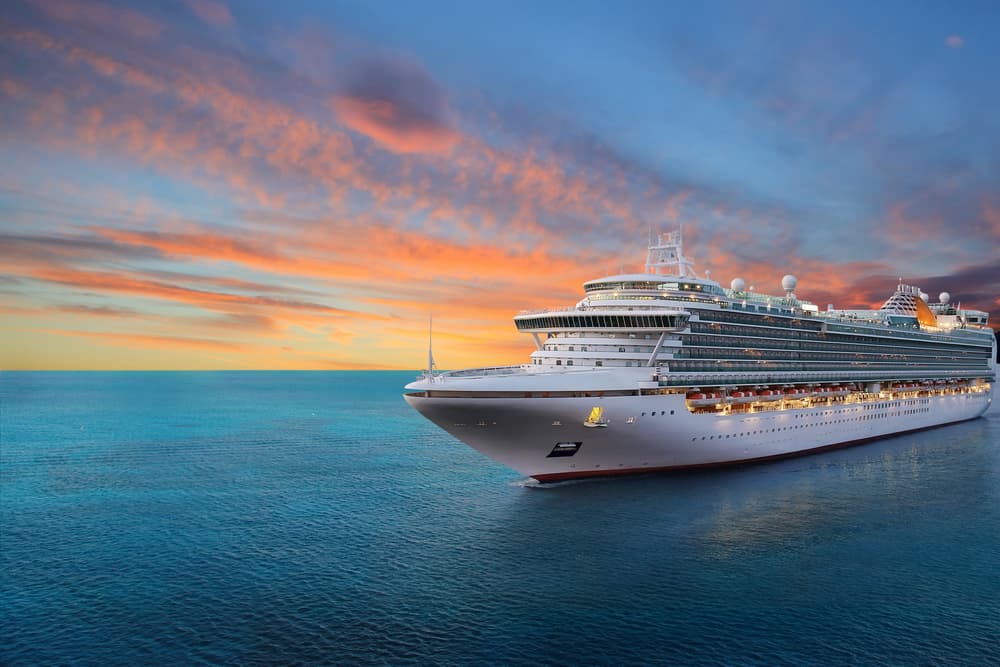
This is where the role of a Cruise Planner—whether in the form of a professional human advisor or a sophisticated digital platform—becomes the most valuable tool in a traveler’s arsenal. A cruise planner is more than just a booking agent; they are the architects of an experience, ensuring that every nautical mile is optimized for enjoyment and value.
What Defines a Cruise Planner?
At its core, cruise planning is the specialized art of matching a traveler’s personality with the unique “vibe” of a cruise line. No two cruise lines are identical. A family with young children seeking water slides and Broadway-style shows requires a vastly different plan than a couple looking for the quiet luxury and educational lectures found on an expedition ship to Antarctica.
A professional cruise planner utilizes deep industry knowledge, real-time booking data, and exclusive partnerships to curate a journey. They handle the “boring” logistics—port fees, gratuities, visa requirements, and travel insurance—allowing the passenger to focus entirely on the horizon.
The Benefits of Professional Planning
While the internet allows anyone to book a cabin in minutes, there are distinct advantages to using a structured planning approach that solo travelers often miss.
1. Access to Exclusive Value
The cruise industry operates on a system of “groups” and “blocks.” Professional planners often have access to locked-in rates and perks that are not visible to the general public. These might include on-board credits (the “sea currency” used for drinks or spa treatments), complimentary specialty dining, or even private cocktail parties. Over time, the value of these perks often exceeds the cost of any advisory fees.
2. Navigating the Complexities of Cabins
Choosing a room on a ship is not as simple as choosing a hotel room. A cruise planner knows which cabins are located under the noisy late-night buffet, which balconies have obstructed views, and which decks are prone to the most motion for those sensitive to sea sickness. This “insider” geography of the ship is critical to a good night’s sleep.
3. Integrated Shore Excursions
One of the biggest profit centers for cruise lines is their shore excursions. While convenient, they can often be crowded. A cruise planner can arrange private, local tours that get you away from the masses of thousands of other passengers, often at a lower price point and with a more authentic cultural connection.
Modern Trends in Cruise Planning for 2026
The industry is currently witnessing a shift toward personalization and technology. Today’s planners are focusing on three main emerging areas:
The Rise of River and Expedition Cruises
While the “mega-ships” remain popular, there is a massive surge in river cruising and “expedition” travel. Planners are now helping travelers navigate the waterways of the Mekong, the Amazon, and the Rhine. These trips require more meticulous planning regarding seasonal water levels and local permits, making the role of a planner even more vital.
Sustainability-Focused Itineraries
Modern travelers are increasingly concerned with their environmental footprint. Cruise planners now curate “Green Cruises,” focusing on ships powered by Liquefied Natural Gas (LNG), those that have eliminated single-use plastics, and itineraries that visit ports committed to sustainable tourism.
Seamless Technology Integration
Many planners now offer dedicated apps that house the traveler’s entire itinerary. From flight details and pre-cruise hotel stays to a day-by-day breakdown of port activities, this digital “command center” ensures that the traveler has all necessary documents in the palm of their hand, even when offline in the middle of the ocean.
How to Work Effectively with a Cruise Planner
To get the most out of a planning service, communication is key. A good planner will ask you more questions than you ask them. Be prepared to discuss:
- Your “Hard” Budget: This should include not just the ticket price, but your estimated spend on alcohol, excursions, and specialty dining.
- Past Travel Favorites: Knowing you loved a boutique hotel in Paris but disliked a crowded resort in Cancun helps a planner narrow down the right ship size for you.
- Activity Levels: Are you looking for a “fly and flop” vacation by the pool, or do you want to hike a glacier in Alaska?
- Culinary Preferences: If you are a foodie, a planner will steer you toward lines known for their culinary partnerships with celebrity chefs.
Conclusion
A cruise is one of the most rewarding ways to see the world, offering the unique ability to wake up in a new country every morning without ever having to unpack your suitcase twice. However, the difference between a “good” cruise and a “perfect” one almost always comes down to the quality of the planning.
Whether you are using a professional advisor or a high-end digital planning tool, taking the time to architect your journey ensures that you are not just a passenger, but a true traveler. In the vast ocean of options, a cruise planner acts as your lighthouse, guiding you away from the rocks of stress and toward the calm waters of a perfectly executed vacation.