
In the modern world of Instagrammable landmarks and all-inclusive packages, the line between “traveling” and “vacationing” has become increasingly blurred. While both involve leaving home, they represent two fundamentally different philosophies. A vacationer often seeks to escape their life, looking for comfort, relaxation, and a version of a destination that looks exactly like the brochure. A traveler, however, seeks to expand their life. They look for immersion, challenge, and the raw, unedited truth of a culture.
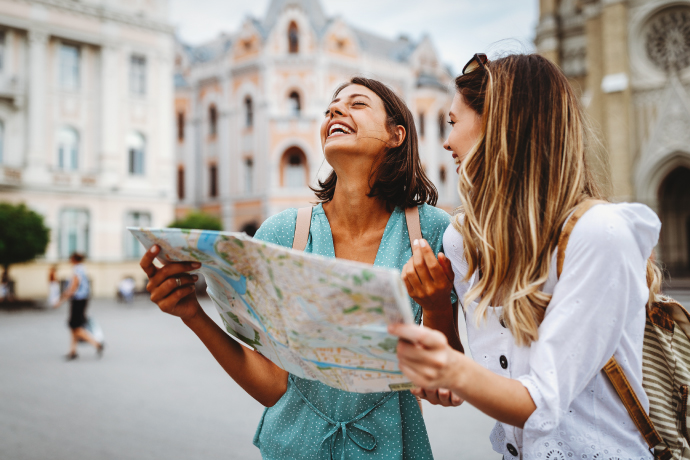
Becoming a traveler does not require a rugged backpack or a year-long sabbatical. It is a mindset—a shift from being a passive observer to an active participant. If you are ready to move beyond the tourist bubbles and experience the world with more depth, here are simple yet transformative ideas to help you transition from a vacationer to a true traveler.
1. Slow Down the Pace of Movement
The hallmark of a vacationer is the “checklist” mentality. They attempt to see ten cities in twelve days, spending more time in transit than in the destinations themselves. This leads to a superficial understanding of a place, where memories are reduced to a blur of train stations and museum facades.
A traveler understands that less is more. To truly “be” in a place, you must stay long enough to notice the patterns of daily life. Instead of hopping between three different islands, spend a week on one. Sit in the same café every morning. By the third day, the waiter will recognize you, and you will begin to notice the regulars. Slowing down allows you to move past the “highlights” and discover the rhythm that makes a location unique.
2. Prioritize Connection Over Comfort
Vacations are designed to be comfortable. They often involve staying in international hotel chains where the coffee tastes the same in Cairo as it does in Chicago. While there is nothing wrong with comfort, it often acts as a barrier to authentic experience.
A traveler chooses connection over convenience. This might mean staying in a family-run guesthouse, a locally owned boutique hotel, or a homestay. These environments force you to interact with locals and understand the nuances of their hospitality. When you choose a local accommodation, you aren’t just a room number; you are a guest in someone’s community. This simple choice often leads to the best recommendations for food and activities that you would never find on a travel app.
3. Embrace the “Lost” Moments
A vacationer follows a GPS with rigid precision, panicking if they take a wrong turn. A traveler, however, views getting lost as a legitimate form of exploration. Some of the most profound travel experiences happen when you wander off the main tourist artery and into a residential neighborhood.
Try this simple idea: put your phone in your pocket for two hours. Walk in a direction that looks interesting. Notice the architecture, the local grocery stores, and the way people interact on their doorsteps. When you stop relying on a digital map, your other senses sharpen. You follow the smell of a local bakery or the sound of a distant street performer. These “unplanned” moments are where the soul of a city resides.
4. Eat Where the Locals Stand
Food is the most accessible gateway to a new culture, but many vacationers stick to restaurants with English menus and “tourist-friendly” iterations of local dishes. To be a traveler, you must go where the locals eat.
Look for the places with no English signs, plastic chairs, and a crowd of residents. If there is a line of locals waiting for a street food stall, join it. This requires a level of courage and a willingness to step out of your culinary comfort zone. Don’t be afraid of the language barrier; pointing and smiling are universal languages. Eating local food as it is meant to be served is not just a meal; it is an act of respect toward the culture you are visiting.
5. Learn the Language of “Hello”
A vacationer expects the world to speak their language. A traveler makes the effort to speak a few words of the local tongue. You do not need to be fluent to make a significant impact. Learning how to say “Hello,” “Please,” “Thank you,” and “I’m sorry” changes the power dynamic of an interaction.
When you make an effort to speak even a few words, you signal that you are a student of the culture, not just a consumer of it. It opens doors and softens hearts. It transforms a transaction into a human connection. People are generally much more helpful and welcoming to a traveler who tries to meet them halfway.
6. Document with Intention
In the digital age, it is easy to spend an entire trip looking through a five-inch screen. A vacationer documents to show others where they have been. A traveler documents to remember how they felt.
Try to limit your photography. Take a few photos, then put the camera away and “take a mental picture.” Consider keeping a travel journal where you write down specific scents, snatches of overheard conversation, or the internal thoughts you had while sitting on a park bench. These written reflections will bring you back to the destination years later in a way that a thousand identical sunset photos never will.
Conclusion
The transition from a vacationer to a traveler is an internal journey. It is about trading the safety of the known for the beauty of the unknown. By slowing down, eating locally, and embracing the unplanned, you transform your trip from a temporary escape into a permanent part of your identity.
The world is not a museum to be viewed from behind a glass partition; it is a living, breathing experience to be felt. When you choose to be a traveler, you don’t just see the world—you let the world change you. And that, ultimately, is the greatest gift that travel can offer.