
In the golden age of global exploration, the definition of a “good adventurer” has undergone a significant transformation. It is no longer enough to simply reach the summit, cross the border, or find the most secluded beach. As the world becomes more interconnected and the footprints of tourism grow deeper, the modern adventurer carries a new responsibility: to travel with intention, respect, and a commitment to leaving a positive impact on the places they visit.
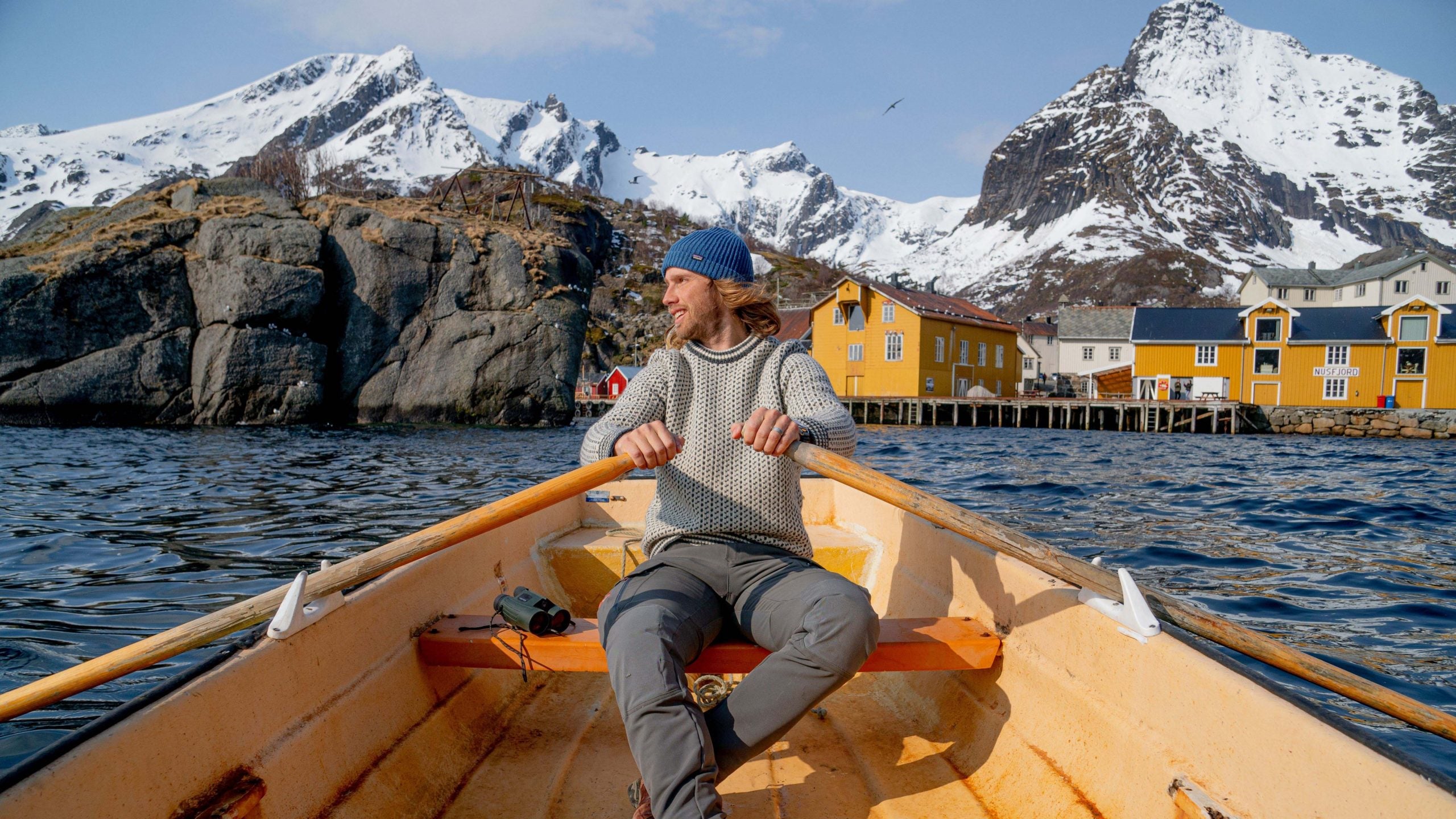
Being a good adventurer is a delicate balance between curiosity and caution. It is about immersing oneself in the unknown while preserving the integrity of the environment and the dignity of local cultures. Whether you are trekking through the dense rainforests of South America or navigating the historic cobblestone streets of Europe, here is how you can master the art of ethical and enriching travel.
The Philosophy of Pre-Departure Research
The journey of a good adventurer begins long before the boarding pass is scanned. Ignorance is the primary cause of unintentional disrespect. Therefore, comprehensive research is the foundation of a responsible trip.
Understanding Social Nuances
Every culture has a set of “unwritten rules” that govern social interaction. A good adventurer takes the time to learn basic etiquette. For instance, knowing whether it is appropriate to tip, how to greet an elder, or which hand is considered “unclean” in certain societies can prevent awkward or offensive encounters. Learning even five basic phrases in the local language—hello, please, thank you, sorry, and excuse me—signals to your hosts that you see them as people, not just service providers.
Navigating Sensitive History
Destinations are not just playgrounds; they are the result of centuries of history, often involving struggle or conflict. Understanding the political and social climate of your destination allows you to navigate conversations with sensitivity. A good adventurer avoids treating sacred sites or memorials as mere “Instagram backdrops” and instead approaches them with the solemnity they deserve.
Sustainable Logistics and Environmental Stewardship
True adventure should never come at the cost of the planet. As we face global environmental challenges, the good adventurer prioritizes sustainability in every logistical decision.
The War on Single-Use Plastic
One of the most visible impacts of tourism is the accumulation of plastic waste in areas without proper waste management systems. A good adventurer travels with a “zero-waste” kit: a high-quality reusable water bottle with a built-in filter, a set of bamboo utensils, and a foldable cloth bag. By refusing single-use plastics, you prevent your journey from contributing to the pollution of the very landscapes you came to admire.
Supporting Local Economies
The economic impact of your travel should stay within the community. Instead of booking international hotel chains or eating at global fast-food outlets, seek out locally-owned guesthouses and family-run eateries. When hiring guides, look for local cooperatives rather than large agencies. This ensures that the financial benefits of your visit directly support the livelihoods of the people who call the destination home.
The Art of Respectful Photography and Social Media
In the digital age, the camera is a powerful tool that can either build bridges or burn them. A good adventurer understands that a photograph is an interaction, not a transaction.
Seeking Consent
Taking photos of people, especially children, without their explicit permission is a violation of privacy and dignity. A good adventurer always asks first. A simple nod or a question in the local language is usually enough. If they say no, respect that decision with a smile and move on. The memory of a smile is often more valuable than a stolen photograph.
Geotagging Responsibly
“Overtourism” is a real threat to fragile ecosystems and quiet villages. When posting photos of “hidden gems” on social media, consider omitting the exact GPS coordinates or geotagging a general region rather than a specific spot. This helps prevent a sudden influx of visitors that a small community or a delicate natural site may not be equipped to handle.
Safety Through Awareness and Adaptability
An adventurer cannot be “good” if they are constantly in need of rescue. Personal responsibility and situational awareness are key components of a successful journey.
Trusting Your Intuition
While it is important to be open-minded, it is equally important to be alert. A good adventurer trusts their gut feeling. If a situation, a person, or a street feels unsafe, it is perfectly acceptable to leave. Situational awareness—knowing where your exits are and keeping an eye on your surroundings—allows you to enjoy your surroundings without becoming a target for petty crime.
The Flexibility of Mindset
Things will go wrong. Flights will be delayed, weather will turn sour, and language barriers will lead to confusion. The hallmark of a good adventurer is how they react to these moments. Instead of losing their temper or demanding special treatment, they adapt. They see a missed bus as an opportunity to sit in a café and observe local life. Patience is perhaps the most important item in any traveler’s backpack.
Conclusion
The transition from a mere tourist to a “good adventurer” is a rewarding evolution. It transforms travel from a self-centered pursuit into a meaningful exchange. By preparing thoroughly, respecting the environment, supporting local communities, and maintaining a humble mindset, you ensure that your presence in a foreign land is a blessing rather than a burden.
Remember, the goal of travel is not just to see the world, but to see it clearly and leave it intact. When you return home, let your stories be about the kindness you received and the respect you gave, rather than just the things you bought. The world is a vast, beautiful, and fragile place; it deserves an adventurer who is as good as the destination itself.